
Malaysia Employment Pass & Migration




Guides

Malaysia’s tightening Employment Pass environment is pushing expat hiring risk upstream into job design, salary bands, and localisation planning. This guide shows how to build a renewal-first workflow with eligibility gates, evidence packs, and auditable succession routines so approvals and budgets stay predictable through 2027.
Malaysia’s move to allow Employment Pass Category I spouses to work from 2027, alongside potential longer DE Rantau Nomad stays, changes the practical talent supply and retention equation for employers. This guide sets out how to source and assess this talent, design roles and engagement models, update policies, and manage pay, security, and delivery risks without slowing hiring.
From 1 June 2026, tighter Employment Pass expectations can turn expat hiring, renewals, and role changes into a workforce-planning constraint rather than a routine HR submission. This guide shows how to justify expat roles, build measurable local succession plans, and capture knowledge-transfer evidence without slowing execution.
How should Malaysian SMEs redesign entry-level roles and internships for AI-ready graduates in 2027?
Many Malaysian SMEs still hire juniors for drafting and basic research, even as AI makes those tasks low-value and high-risk without clear quality controls. This guide lays out a practical 30–90 day plan to redesign job scopes, internships, assessments, onboarding, manager supervision, and an AI-on-the-job policy around judgment and client-safe output.
From October 2026, Malaysia’s EIS is expected to add mobility assistance alongside enhanced training support, which could reduce location friction for hard-to-fill roles outside major cities. This guide shows employers how to target the right roles, update job ads and offer packages without overpromising, coordinate with PERKESO pathways, and measure impact on time-to-fill and early retention.
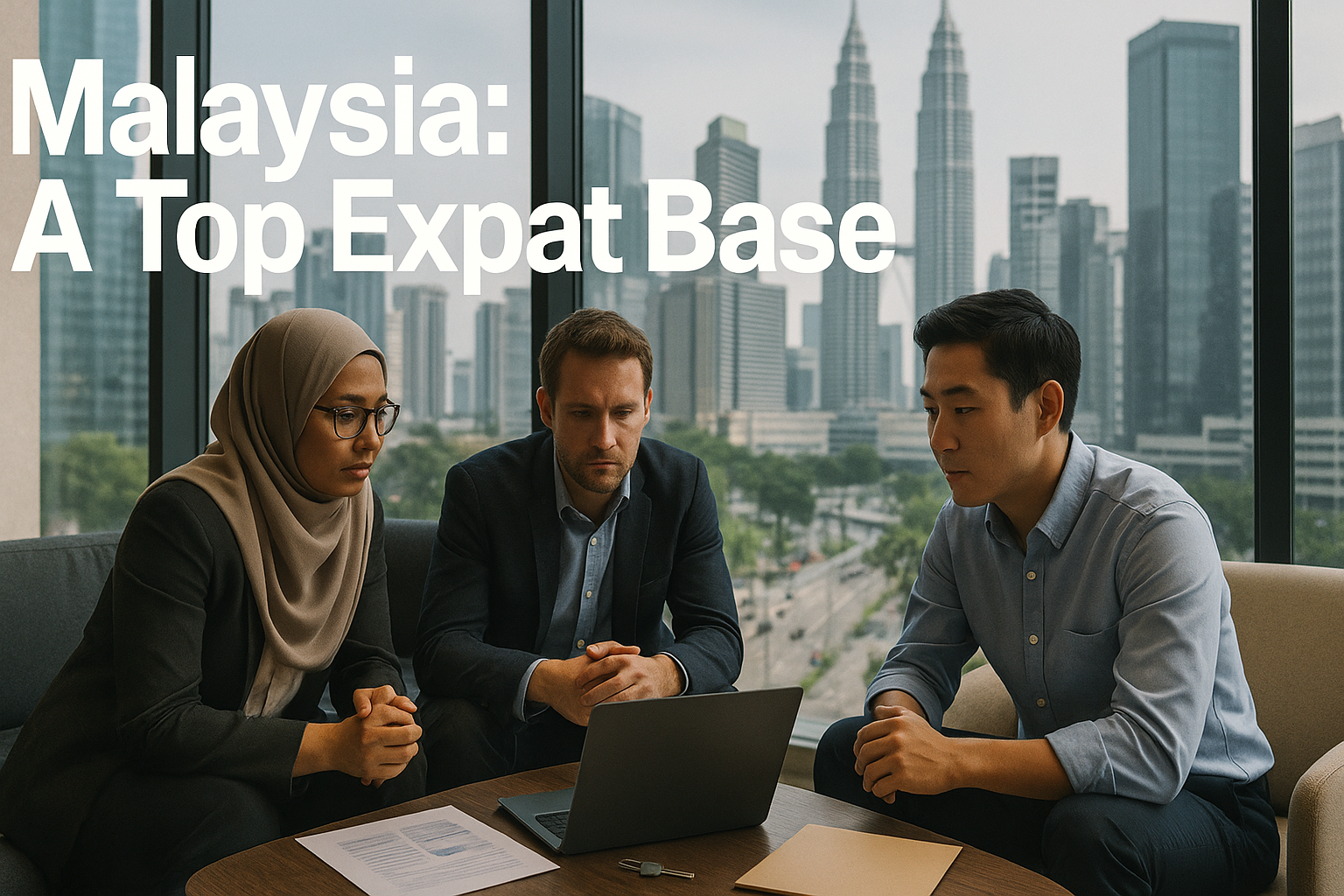
Malaysia’s expat-destination branding raises candidate expectations and shifts competition to take-home pay, housing and schooling reality, hybrid flexibility, and process confidence. This playbook shows how to position Malaysia against regional hubs, design capped and tiered relocation packages, and run an end-to-end workflow that improves acceptance and first-year retention.
Malaysia Employment Pass Video Guides

Foreign Subsidiary Incorporation in Singapore

Singapore Branch Incorporation Requirements