

All Resources
April – June 2026 | Malaysia Guides

Malaysia’s active IPO market is raising the bar for what investors, banks, and acquirers will fund—scale plus governance, not growth stories alone. This guide gives founders a practical 3–5 year sequence to build an IPO-ready operating system, including audit trails, internal controls, board discipline, and investor-grade reporting.

AI investment and semiconductor growth in Malaysia are tightening talent, industrial space, vendor capacity, and customer audit requirements faster than many SMEs expect. This guide sets out a practical readiness plan covering location choices, utilities and capex gates, standards and cybersecurity hygiene, and a right-sized digital stack with a 30/60/90-day sequence.
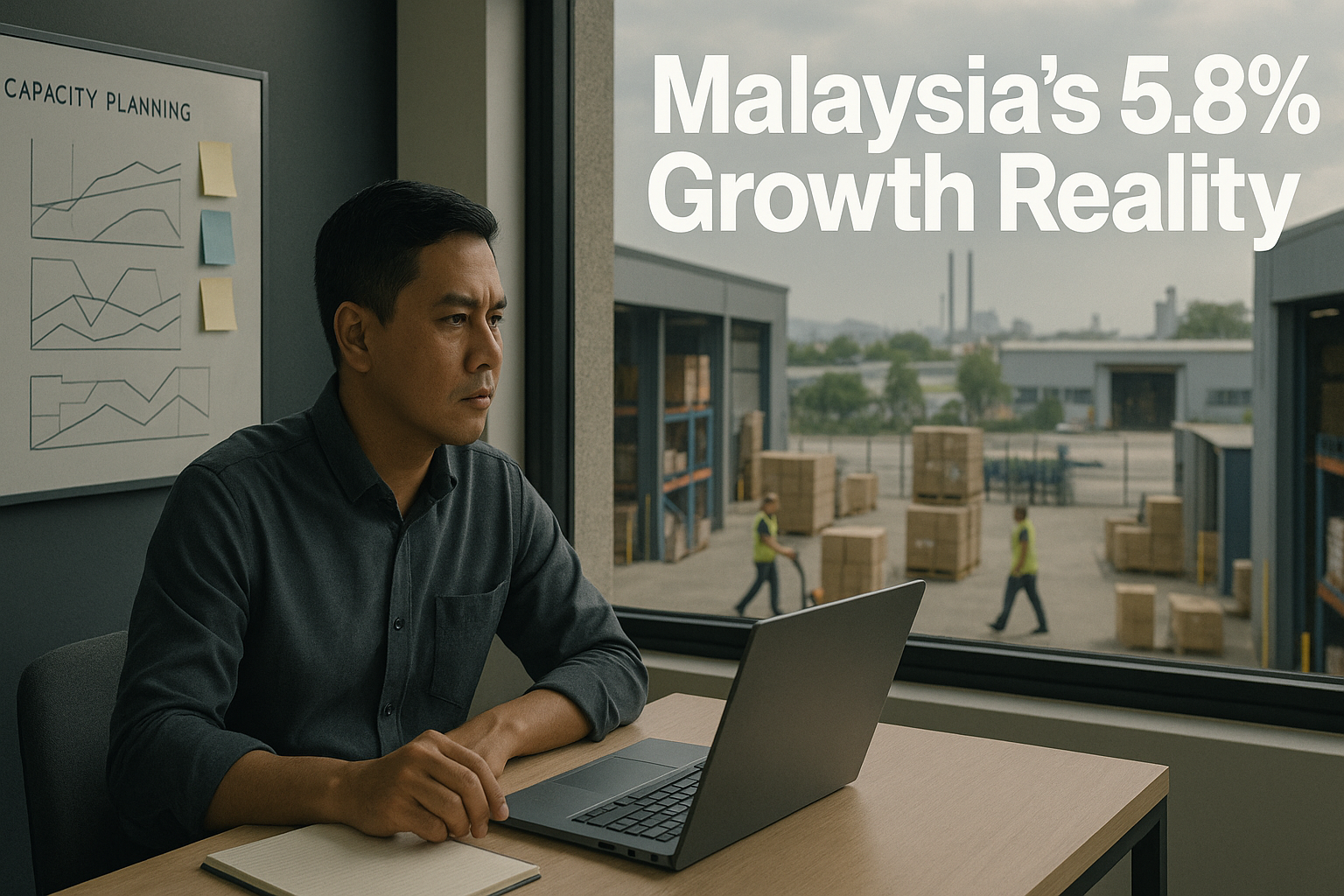
Faster GDP growth can translate into spikier demand, tighter labour and warehouse capacity, and less reliable supplier lead times across hubs like Penang, Klang Valley, and Johor. This article lays out early-warning indicators, trigger points, and practical moves across capacity, commercial terms, suppliers, logistics, and cash flow for 2026–2027 readiness.

A 5.8% Malaysia GDP print can signal demand acceleration, but for operators it often shows up first as tighter labour, supplier, and logistics capacity—especially in Penang, Klang Valley, and Johor. This guide turns the macro headline into an actionable 30/60/90-day operating plan covering capacity mapping, pricing and lead-time discipline, supplier and warehouse commitments, hiring, and cash-cycle control.

Founder-led Malaysian SMEs often stall because decision-making, problem-solving, and execution keep snapping back to the founder. This guide shows how to build operator capability through role scorecards, decision-rights mapping, SOPs that stay alive via exception logs, a weekly/monthly/quarterly cadence, and a 90/180/365-day rollout.

Many Malaysian SMEs stall because the founder remains the default approver for key decisions, escalations, and risk controls. This guide shows a 90-day operating system—prioritised SOPs, decision rights with thresholds, coaching/AAR cadence, succession bench mapping, and founder-dependence metrics—so managers can run units reliably.

KL’s labour market pressure is increasingly outpacing secondary cities, creating offer, retention, and margin risks when employers use one pay approach everywhere. This guide sets out a practical location-tier model for Malaysia, including city-based salary bands, governed allowances, relocation/expat package modules, and hybrid move rules that stay fair and forecastable.
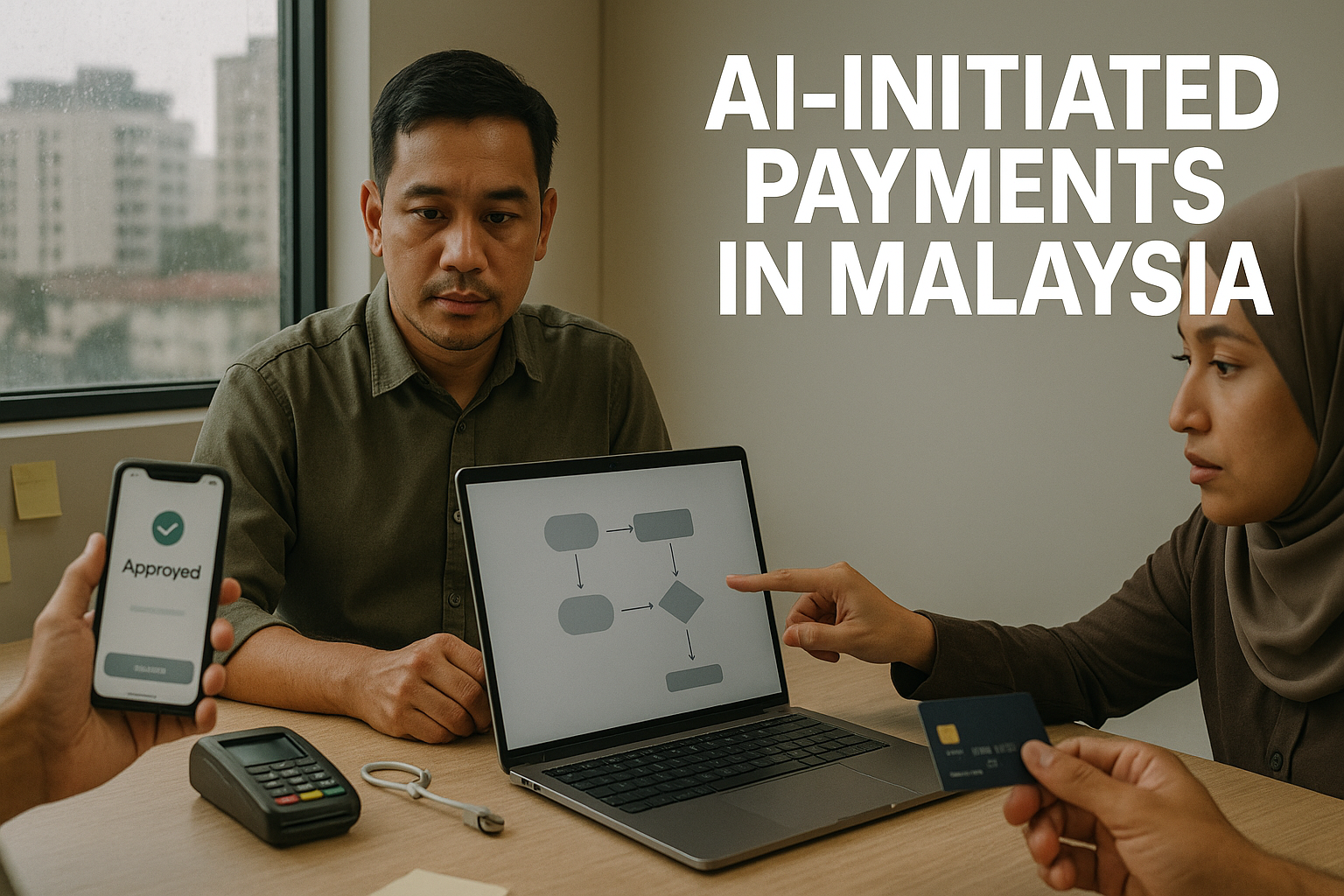
AI agents will start initiating more customer payments, which means Malaysian SMEs need stronger consent records, risk-based step-up authentication, and reliable refund/dispute operations. This guide lays out a staged 12–24 month roadmap covering gateway/PSP readiness, logging and reconciliation, subscription and marketplace flows, and minimum fraud controls before no-click checkout.
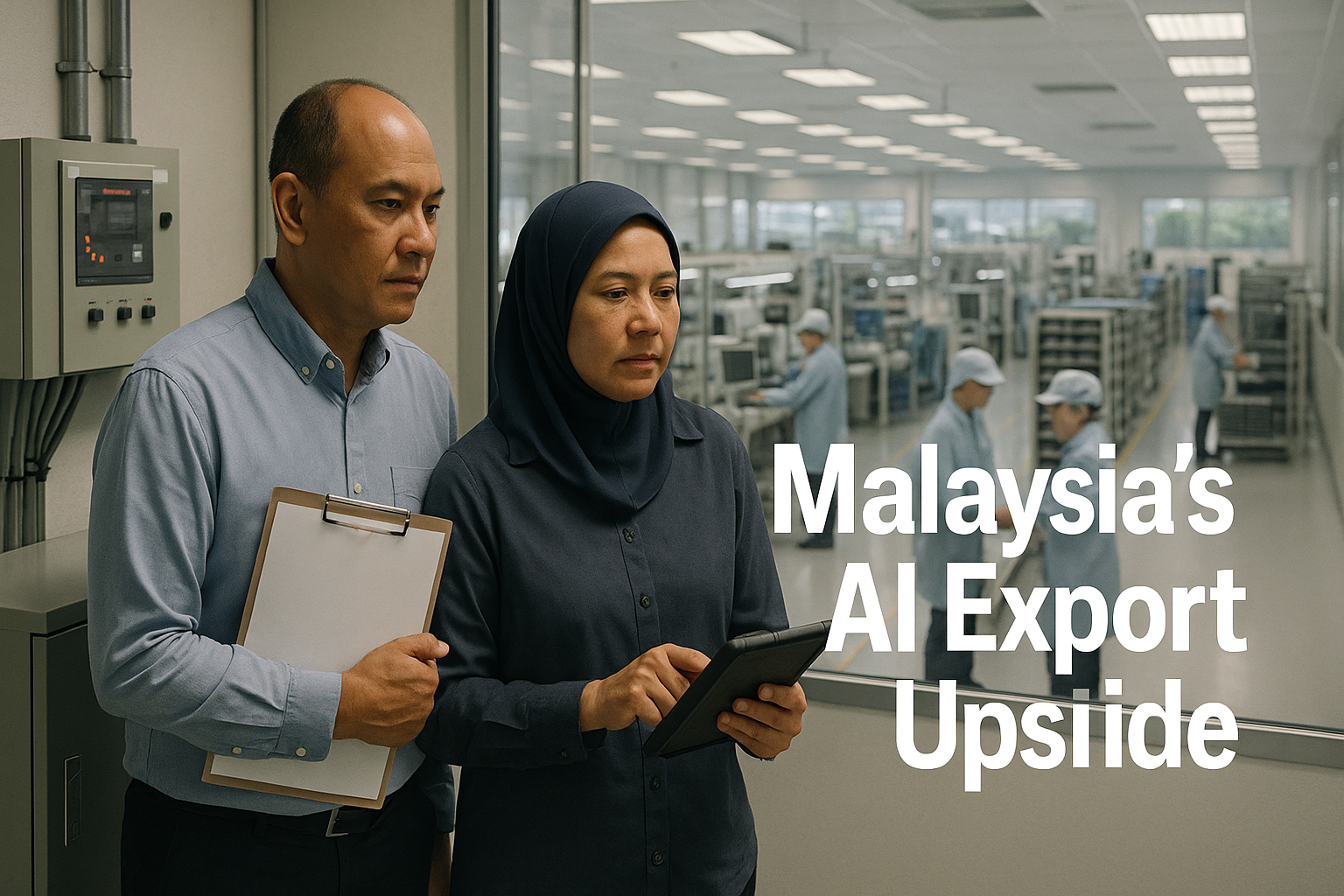
AI-led export demand is rising, but Malaysia’s E&E SMEs can still get capped by qualified capacity, power reliability, talent gaps, and fragile suppliers. This guide lays out a practical 6–18 month roadmap to model demand-to-capacity, harden utilities, train teams, qualify second sources, and protect OTIF delivery.
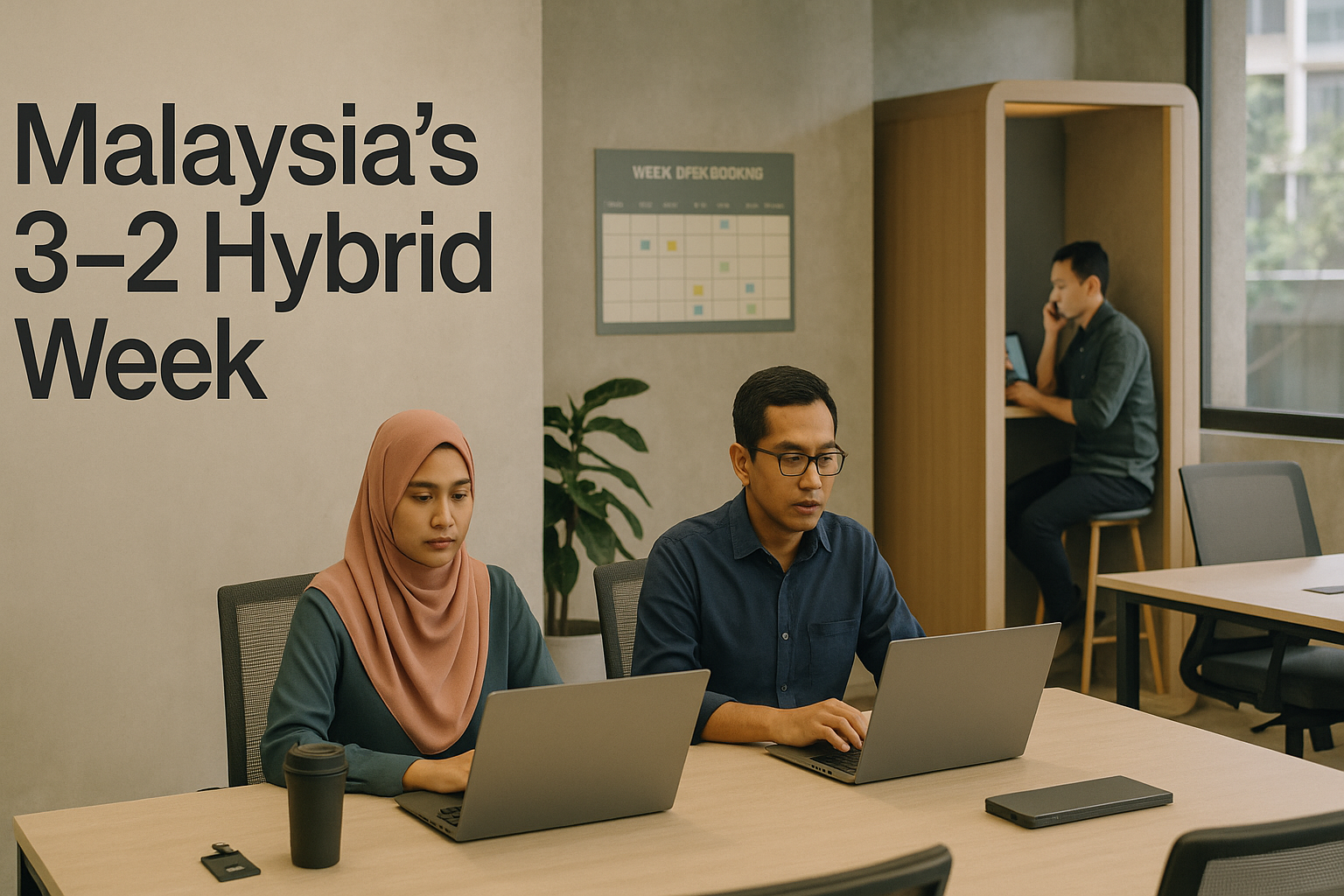
Malaysia’s civil service normalising a 3-days-office, 2-days-remote rhythm will reset what knowledge workers and customers see as “normal”, creating sharper weekday peaks and troughs in demand. This guide shows founders how to respond with role-by-role hybrid design, output-based KPIs, revised service hours and SLAs, and office and lease planning based on peak-day utilisation.
As Malaysia’s AI expectations shift from experimentation to operational discipline, SMEs serving corporates and GLCs need to show that their AI use is controlled, auditable, and safe for buyer data. This 90-day roadmap prioritises low-risk workflow wins in support, sales, finance, and ops while building procurement-ready evidence like a use-case register, data handling rules, access controls, and vendor due diligence artifacts.

Crowded markets push founders into promo-led growth that can look profitable at gross margin but lose money after fees, shrinkage, labour, rent, and opening costs. This guide shows how to build unit-level P&Ls, set break-even and payback rules, run sensitivities, and decide when to expand, renegotiate, fix the model, or exit before cash runs out.
January – March 2026 | Malaysia Guides
KL’s labour market pressure is increasingly outpacing secondary cities, creating offer, retention, and margin risks when employers use one pay approach everywhere. This guide sets out a practical location-tier model for Malaysia, including city-based salary bands, governed allowances, relocation/expat package modules, and hybrid move rules that stay fair and forecastable.
AI agents will start initiating more customer payments, which means Malaysian SMEs need stronger consent records, risk-based step-up authentication, and reliable refund/dispute operations. This guide lays out a staged 12–24 month roadmap covering gateway/PSP readiness, logging and reconciliation, subscription and marketplace flows, and minimum fraud controls before no-click checkout.
AI-led export demand is rising, but Malaysia’s E&E SMEs can still get capped by qualified capacity, power reliability, talent gaps, and fragile suppliers. This guide lays out a practical 6–18 month roadmap to model demand-to-capacity, harden utilities, train teams, qualify second sources, and protect OTIF delivery.
Malaysia’s civil service normalising a 3-days-office, 2-days-remote rhythm will reset what knowledge workers and customers see as “normal”, creating sharper weekday peaks and troughs in demand. This guide shows founders how to respond with role-by-role hybrid design, output-based KPIs, revised service hours and SLAs, and office and lease planning based on peak-day utilisation.
As Malaysia’s AI expectations shift from experimentation to operational discipline, SMEs serving corporates and GLCs need to show that their AI use is controlled, auditable, and safe for buyer data. This 90-day roadmap prioritises low-risk workflow wins in support, sales, finance, and ops while building procurement-ready evidence like a use-case register, data handling rules, access controls, and vendor due diligence artifacts.
Crowded markets push founders into promo-led growth that can look profitable at gross margin but lose money after fees, shrinkage, labour, rent, and opening costs. This guide shows how to build unit-level P&Ls, set break-even and payback rules, run sensitivities, and decide when to expand, renegotiate, fix the model, or exit before cash runs out.
The IMF’s Malaysia 2026 outlook is a practical signal for where operating costs, documentation standards, and enforcement may tighten for SMEs and foreign founders. This guide translates the macro themes into decisions you can make now on incorporation structure, payroll EPF/SOCSO readiness, bank onboarding, and Employment Pass hiring timelines.
This guide shows how to build one connected budget for Malaysia company incorporation, Employment Pass processing, relocation, and ongoing payroll allowances using March 2026 cost-of-living benchmarks as planning inputs. It highlights common budgeting misses—especially Kuala Lumpur rent deposits, unclear reimbursement rules, and weak documentation that creates payroll and compliance issues later.

Malaysia’s stronger industrial start to 2025 can make earlier Malaysia entry cheaper and operationally smoother for export-oriented SMEs, but it also raises the importance of supply-chain resilience and compliance readiness. This guide explains what to plan when incorporating a Sdn. Bhd., choosing a company secretary, and building finance and governance processes for 2025–2026.

DOSM’s Malaysia CPI 1.6% headline for 2025–2026 may look modest, but it can still shift wage expectations, supplier uplifts, and your true employment cost once EPF, SOCSO, and EIS are included. This guide shows Malaysian SMEs and new founders how to convert CPI into a practical salary increment strategy, statutory budgeting, pricing reviews, and incorporation-ready cash planning.

Securities Commission Malaysia audit rules and AOB transparency reporting expectations are raising the bar for how audit quality, independence, and key judgments are evidenced in 2025–2026. Even if the obligations sit with the audit firm, audit committees, directors, and CFOs should expect tighter timelines, more structured questions, and heavier documentation—so planning early reduces year-end friction.
Malaysia tax developments in 2026 are pushing SMEs from “file-and-forget” to “system-and-evidence,” where invoice, SST, payroll, and ledger data must reconcile cleanly under audit. Use March 2026 as a checkpoint to standardise invoicing fields, tighten month-end controls, and document SST/WHT positions so you’re ready for e-invoicing expectations and stricter enforcement.