
Malaysia Legal & Company Secretary Services





Guides

In Malaysia, next-gen heirs often shift from inherited relationships to a multi-provider stack during succession, liquidity events, and cross-border life moves—quietly eroding incumbents’ share of wallet. This guide sets out a practical retention plan covering digital-first service design, pricing transparency, cross-border coordination, and broader relationship coverage beyond the founder.

This guide shows where to access Malaysia’s Companies Act 2016 and related materials using SSM as your source of truth, and how to verify you’re relying on the right version. It also outlines a practical workflow to navigate to the right Part/Division/section for common director and company secretary decisions and document what you relied on.

As Malaysia’s prime office pockets and key industrial corridors tighten, late lease decisions can mean higher renewal risk, fewer options, and weaker negotiating terms. This guide outlines a practical 3–5 year roadmap to choose when to renew vs relocate vs expand, compare KL, Selangor, Penang and Johor, and structure leases for cost certainty with flexibility.
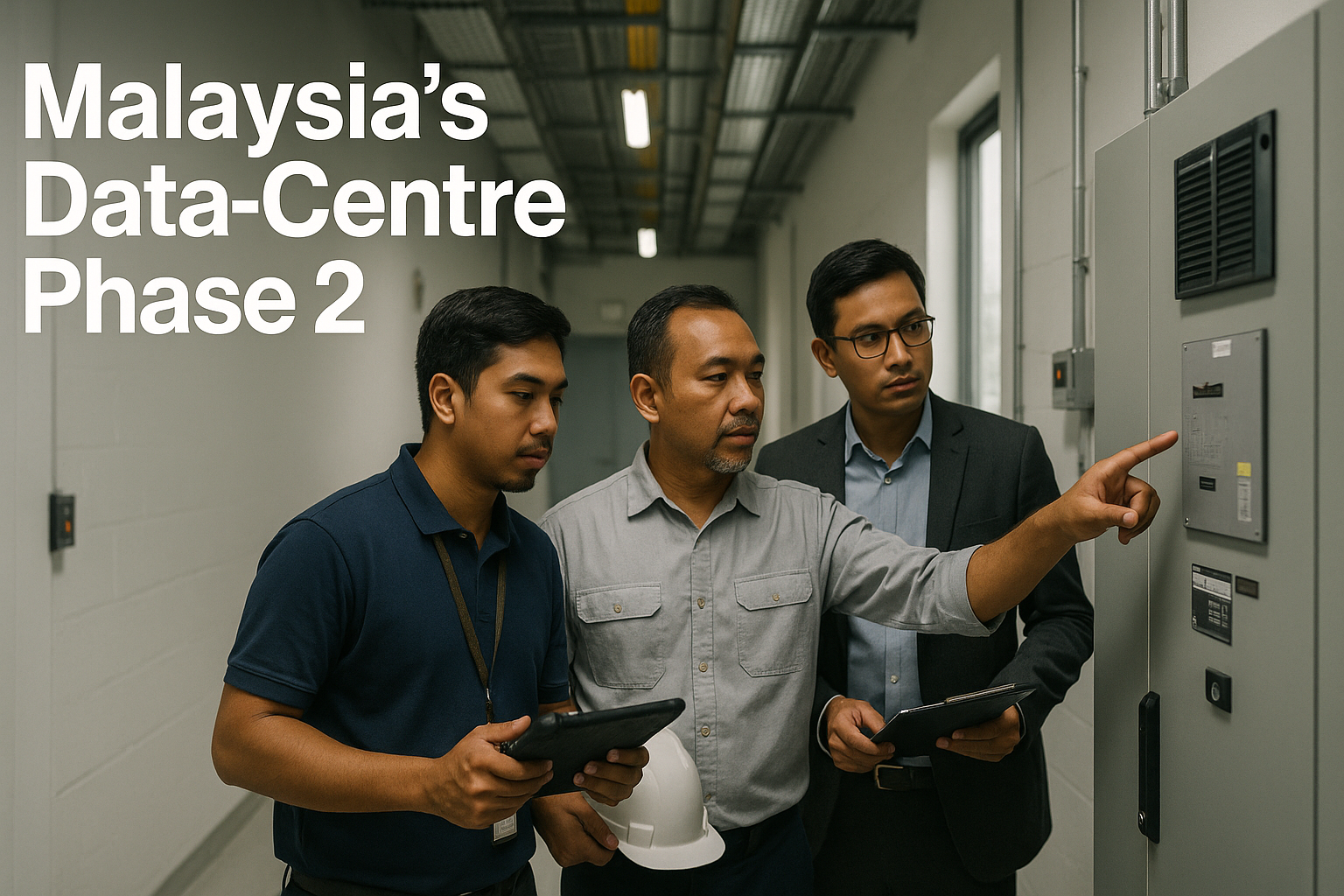
Malaysia’s data-centre buildout is shifting toward operator scrutiny on safety, security, reliability, and audit-ready delivery from local suppliers. This guide explains how SMEs can pass vendor qualification and stay approved through evidence packs, QHSE routines, change control, and documentation discipline.

As hybrid work becomes a mainstream expectation in Malaysia, SMEs will be judged on whether delivery stays predictable across remote and onsite teams. This roadmap shows how to execute hybrid reliably using role segmentation, output-based scorecards, manager routines, documentation standards, workflow controls, onboarding, and minimum viable cybersecurity.

Malaysia’s E&E and industrial supply chain is benefiting from AI-hardware and data-centre buildouts, but winning the next wave depends on proving bankable capacity, not just interest. This guide lays out what to lock in during 2026—power, water, land readiness, permits, suppliers, workforce plans, and contract posture—so you can compete for 2027 awards without schedule-killing bottlenecks.
Malaysia Legal & Company Secretary Video Guides

Foreign Subsidiary Incorporation in Singapore
Singapore Branch Incorporation Requirements