
Guides
Malaysia’s move to allow Employment Pass Category I spouses to work from 2027, alongside potential longer DE Rantau Nomad stays, changes the practical talent supply and retention equation for employers. This guide sets out how to source and assess this talent, design roles and engagement models, update policies, and manage pay, security, and delivery risks without slowing hiring.
Malaysia’s education reforms leading into 2027 can affect expat school availability, family confidence, and relocation timelines even after an Employment Pass is approved. This guide outlines how employers can align school admissions cycles with ESD sequencing, payroll readiness, and clear relocation package terms to reduce delays and failed transfers.
Numbeo’s April 2026 Malaysia cost-of-living update can help employers spot which expense buckets are shifting for Kuala Lumpur and other hubs, but it should be treated as a directional input rather than a compensation benchmark. The practical step is translating validated cost drivers into an auditable package and payroll structure that aligns offer documents, taxability, and EPF/SOCSO handling where applicable.

MOE-linked school closures during extreme heat can disrupt attendance, overtime, and timekeeping, creating avoidable payroll errors and disputes. This guide outlines how Malaysia employers can standardise flexible work, leave, documentation, and Employment Pass HR controls so payroll stays consistent and audit-ready through 2026–2027.
From October 2026, Malaysia’s EIS is expected to add mobility assistance alongside enhanced training support, which could reduce location friction for hard-to-fill roles outside major cities. This guide shows employers how to target the right roles, update job ads and offer packages without overpromising, coordinate with PERKESO pathways, and measure impact on time-to-fill and early retention.
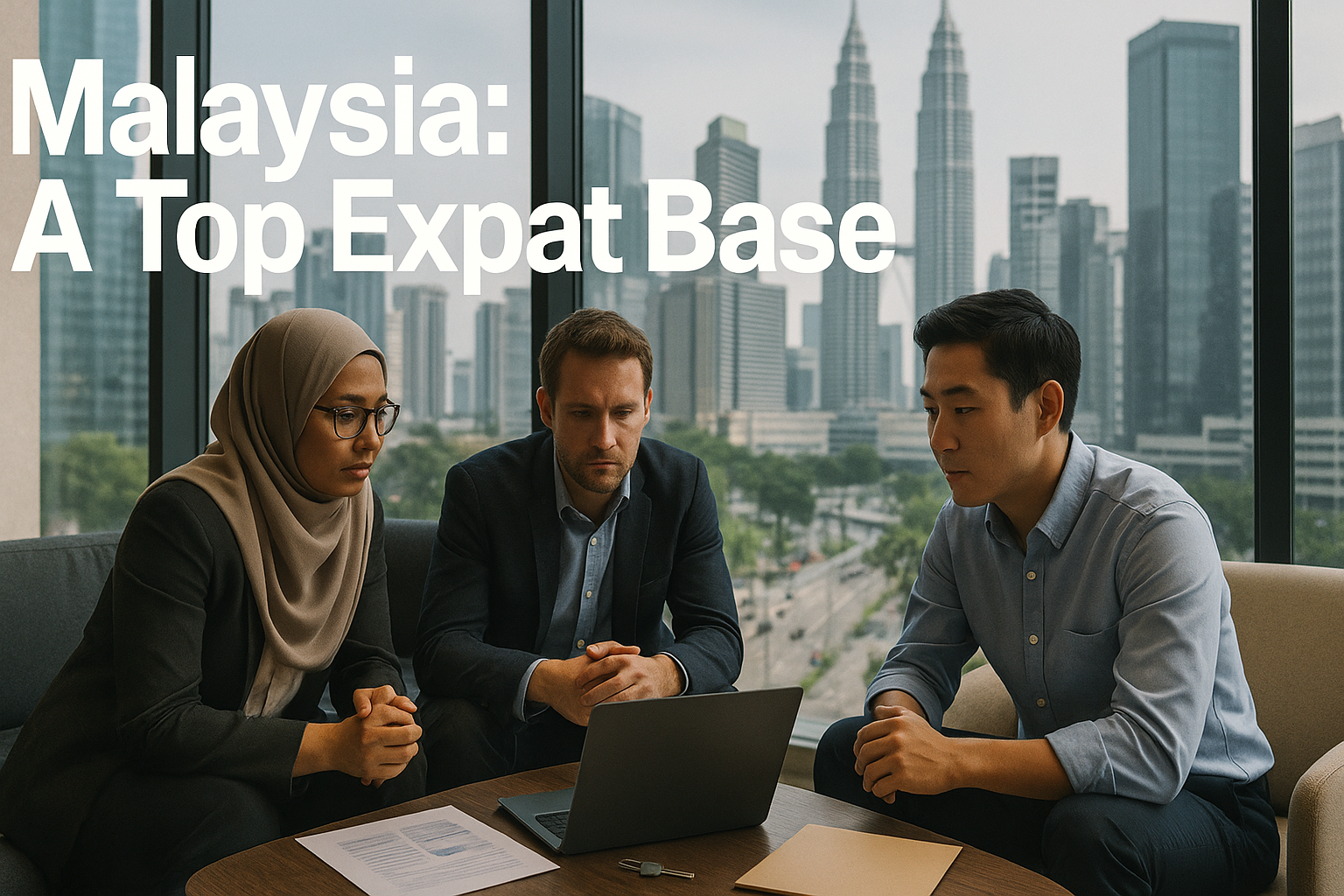
Malaysia’s expat-destination branding raises candidate expectations and shifts competition to take-home pay, housing and schooling reality, hybrid flexibility, and process confidence. This playbook shows how to position Malaysia against regional hubs, design capped and tiered relocation packages, and run an end-to-end workflow that improves acceptance and first-year retention.
Malaysia Employment Pass Video Guides

Foreign Subsidiary Incorporation in Singapore
Singapore Branch Incorporation Requirements