
Guides
A side project can look profitable on paper but still destroy value by draining working capital and consuming leadership and engineering bandwidth. This guide gives Malaysian founders a practical way to classify initiatives, set ROI and payback gates, cap resources, and pre-commit kill criteria before the core business slips.
Rising job losses in Malaysia can widen the candidate pool, but they can also create wage pressure, slower ramp-up, and higher people-risk if role design and restructuring are handled poorly. This guide shows how to use PERKESO/EIS and MYFutureJobs as directional signals to time hiring, redesign roles for productivity, and strengthen performance and documentation controls before change happens.
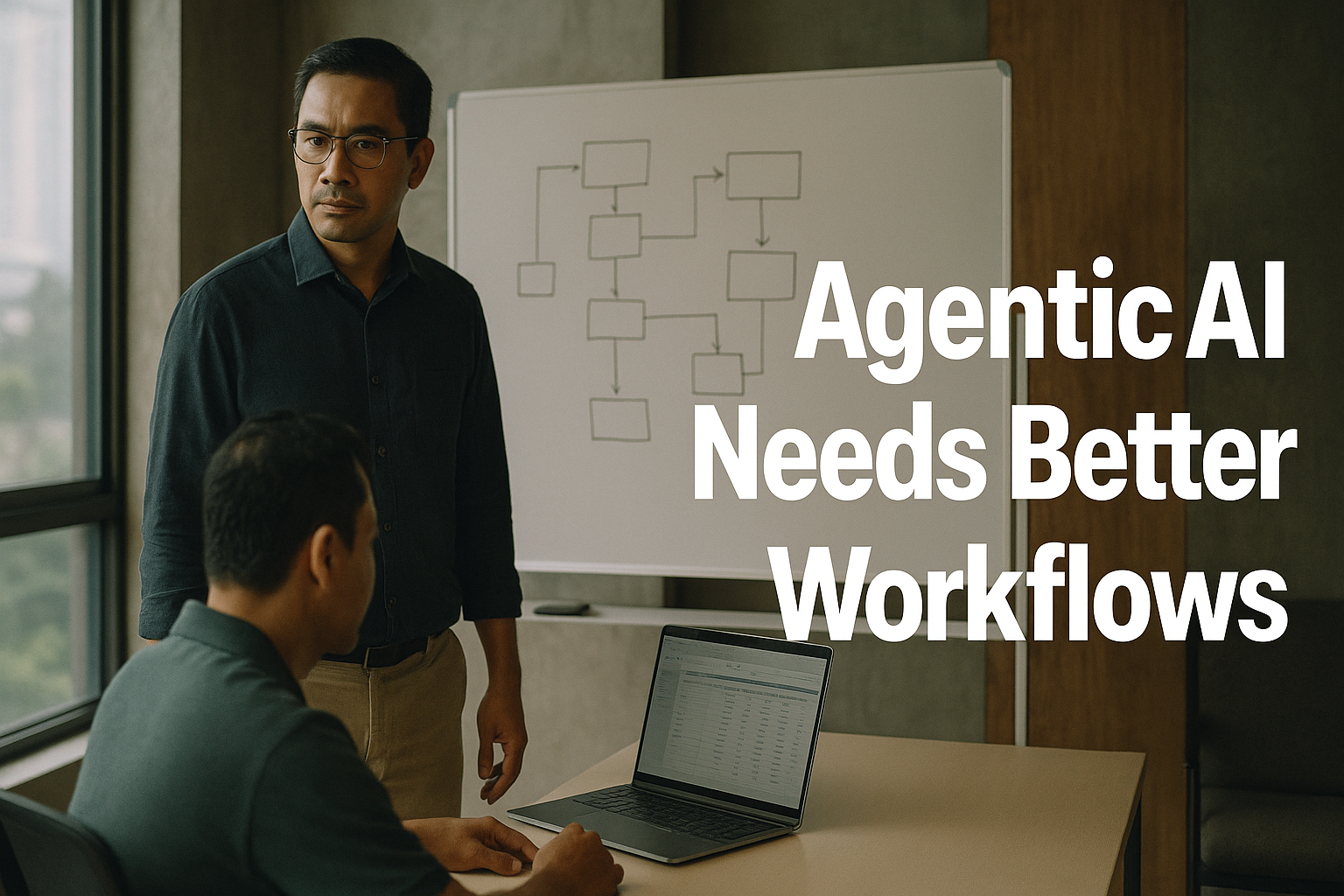
Many Malaysian SMEs find that buying agentic AI exposes messy workflows, inconsistent data, and unclear approvals—leading to rework, errors, and unused subscriptions. This guide shows how to pick one narrow workflow, standardise inputs and exceptions, baseline KPIs, run a human-in-the-loop pilot, and scale only when the numbers prove it.
Banks, insurers, and global customers are increasingly treating Malaysia-linked shipments as higher-risk unless you can evidence component origin, end-use, and routing. This guide explains how to build BOM-level traceability, audit-ready shipment files, forwarder governance, and practical stop-ship triggers without slowing operations.

Malaysia’s data-centre market is shifting from fast builds to procurement that rewards reliable operations, audit-ready documentation, and SLA delivery. This guide shows SMEs where repeatable contract value sits across the lifecycle and what practical capability upgrades are needed to pass pre-qualification and protect margins.
Malaysia’s 2030 foreign worker cap direction means many labour-intensive SMEs must plan for fewer available workers, higher wage pressure, and tighter scrutiny of time, payroll, and HR records. This guide lays out a sequenced 30/60/90-day approach to simplify work, redesign roles, digitise core controls (POS, inventory, scheduling, payroll), and phase in basic mechanisation without losing service levels or cashflow control.
Malaysia Business Advisory, Operations & Expansion Video Guides

Foreign Subsidiary Incorporation in Singapore

Singapore Branch Incorporation Requirements